Argentina Traditional Food: Discover Authentic Dishes & Flavors
Traditional Food: A Culinary Journey
Argentina is a country rich in tradition, and nowhere is that more evident than in its cuisine. Argentina traditional food is a blend of indigenous flavors and European influences, shaped by geography, culture, and history. From juicy grilled meats to delicate pastries, each dish tells a story. This guide will introduce you to the most iconic and beloved traditional foods of Argentina, giving you a true taste of its culinary soul.
The Essence of Argentina Food Culture
The roots of Argentina traditional food can be traced back to the indigenous peoples who inhabited the land long before Spanish colonization. Over time, waves of European immigrants, especially from Italy and Spain, added their own ingredients and cooking styles. This fusion created a uniquely Argentine flavor profile — rustic, rich, hearty, and comforting.
Argentine meals are more than just food — they are social rituals. Family gatherings around the asado or sharing mate tea are as important as the meals themselves.
Must-Try Argentina Traditional Food Dishes

Asado – The Heart of Argentina Food BBQ
If there’s one dish that represents Argentina, it’s the asado. A traditional Argentine barbecue, asado involves slow-grilling a variety of meats — beef ribs, chorizo, morcilla (blood sausage), and more — over wood or charcoal.
This is not just a meal; it’s an event. Families and friends gather around the grill (parrilla), enjoying good conversation while the meat cooks slowly to perfection. Asado is best served with chimichurri sauce, a garlicky, herby marinade that enhances the smoky flavor of the meat.
Empanadas – A Classic of Argentina Food
Empanadas are hand-sized pastry pockets filled with a variety of savory fillings. While each region of Argentina has its own version, the most common fillings include beef, onions, eggs, olives, and sometimes potatoes. Salteñas (from Salta) and Tucumanas (from Tucumán) are especially famous.
At The Empanadas King, we honor this tradition by crafting authentic empanadas that bring the flavors of Argentina traditional food directly to your table in the U.S.
Milanesa – A Staple of Argentina Traditional Food
Inspired by the Italian “cotoletta,” milanesa is a breaded and fried cutlet of beef or chicken. It’s commonly served with mashed potatoes or in a sandwich (milanesa al pan). It’s comfort food at its finest and a staple of weekday Argentine dinners.
Choripán – The Ultimate Sandwich in Argentina Food
A simple yet flavorful sandwich made with grilled chorizo sausage and crusty bread, choripán is typically topped with chimichurri. It’s often sold by street vendors during football matches or national holidays and is the ultimate Argentine street snack.
Locro – A Hearty Stew in Argentina Food
Locro is a thick, slow-cooked stew made with corn, beans, potatoes, pumpkin, and cuts of meat. It’s traditionally served on national holidays like May 25th and July 9th and symbolizes unity and pride in traditional food celebrations.
Sweet Delights in Argentina Traditional Food
Alfajores – Food’s Favorite Dessert
These melt-in-your-mouth cookies are typically filled with dulce de leche and rolled in coconut or coated with chocolate. They’re found in bakeries, supermarkets, and cafés throughout Argentina and are a beloved snack for all ages.
Dulce de Leche – The Sweet Heart of Argentine Traditional Food
Made by slowly simmering milk and sugar until it caramelizes, dulce de leche is the heart of many Argentine desserts. It’s spread on toast, swirled into cakes, or simply eaten by the spoonful.
Helado – Argentine Traditional Food Meets Italian Gelato
Thanks to Italian influence, Argentina has a strong gelato culture. Ice cream shops (heladerías) offer flavors like dulce de leche, chocolate amargo, and frutilla (strawberry), often served in generous scoops in cones or cups.
Traditional Drinks That Complement Argentina Traditional Food
Yerba Mate – Traditional Food’s Cultural Beverage
More than a drink, yerba mate is a cultural tradition. It’s a hot herbal infusion sipped from a gourd using a metal straw (bombilla), and often shared socially. Its bitter, earthy flavor is an acquired taste, but beloved across Argentina.
Malbec and More – Wines Paired with Argentina Traditional Food
Argentina is the world’s fifth-largest wine producer, with Malbec being its flagship varietal. Grown in the Mendoza region, Malbec pairs beautifully with grilled meats and hearty dishes, making it an ideal companion to Argentina traditional food.
Regional Differences in Argentina Traditional Food
Argentina’s vast geography results in regional culinary differences. In the northwest, dishes often feature corn, potatoes, and spices. The Pampas region is famous for beef and dairy, while Patagonia offers lamb and smoked trout. Each area contributes to the rich mosaic of Argentina traditional food.
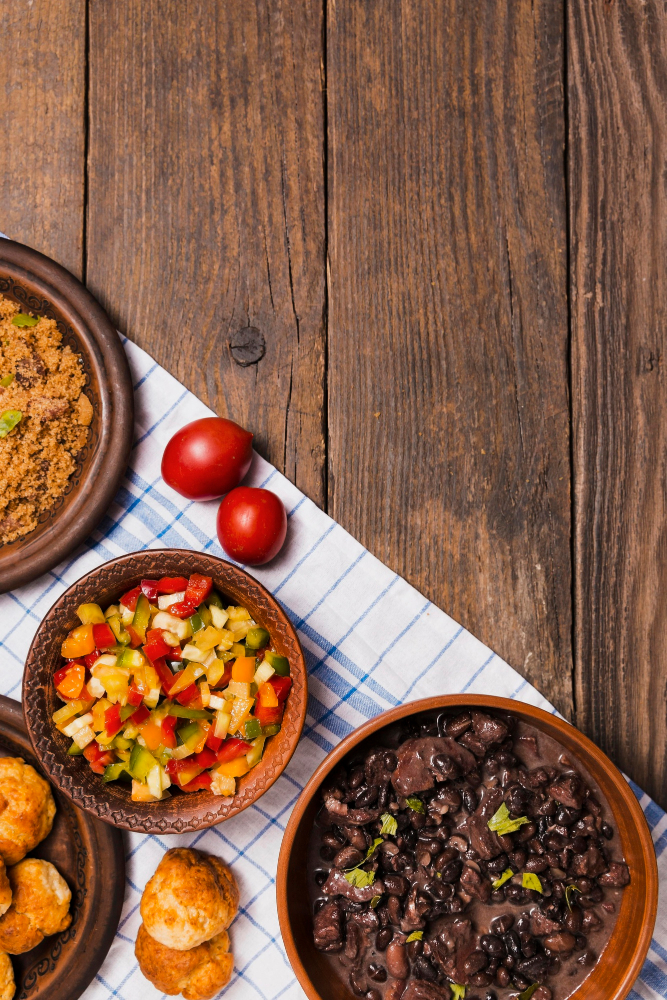
Where to Enjoy Argentina Traditional Food in the U.S.
Thanks to Argentine restaurants and bakeries in the United States, you don’t have to travel across the world to enjoy this cuisine. At The Empanadas King, we deliver authentic flavor using traditional recipes and high-quality ingredients. Whether you’re planning a family meal, event catering, or just craving something special, our food brings traditional food to your doorstep.
Final Thoughts: Discover the Richness of Argentine Traditional Food
Traditional food is a celebration of culture, history, and family. It’s flavorful, comforting, and made to be shared. Whether you’re new to Argentine cuisine or a long-time fan, diving into these traditional dishes is an experience that connects you with the soul of Argentina.
Let your taste buds travel and explore our blog for more insights, recipes, and stories behind the dishes that define a nation.
Frequently Asked Questions About Argentina Traditional Food
What is Argentina traditional food known for?
Argentina traditional food is best known for its high-quality beef, asado (barbecue), empanadas, and sweet treats like dulce de leche and alfajores. It’s a flavorful blend of indigenous, Spanish, and Italian culinary influences.
Is Argentina traditional food spicy?
Generally, no. Most Argentina food dishes are seasoned with herbs and salt but are not spicy. Flavor comes from the quality of ingredients, slow cooking, and sauces like chimichurri.
Where can I try Argentina traditional food in the United States?
You can enjoy Argentina food at specialized restaurants, food trucks, and bakeries — or order from sites like The Empanadas King, which delivers authentic Argentine empanadas and more.
What are the most popular traditional food dishes?
Some of the most iconic dishes include asado, empanadas, milanesa, choripán, locro, and desserts like alfajores and flan with dulce de leche.
Is Argentina food healthy?
Many dishes are rich in protein and made with whole ingredients. While meals like asado and empanadas can be indulgent, the variety in Argentina food also includes vegetables, legumes, and grains.